Sometimes you know something is on your mind, but you haven’t quite found the words for it. A conversation stays with you. A decision feels heavier than you expected. Or you reach the end of a busy day and realise you haven’t stopped to ask yourself how you’re doing.
A Tarot card can give that pause a starting point.
Its image, story, and symbolism offer something to respond to: a detail that catches your eye, an idea that feels familiar, a question you hadn’t thought to ask. As you explore your response, you may find words for something you’ve been feeling.
You don’t need to know every card or have a particular belief about Tarot to begin. A little curiosity and a few minutes to yourself are enough.
Start with what’s on your mind
Before drawing a card, take a moment to notice what you’re bringing to the reading. Perhaps there’s a specific situation you want to explore. Perhaps you feel distracted, hopeful, unsettled, or simply curious.
You can write a sentence about it or hold it quietly in your thoughts. There’s no need to make it sound profound. “I’ve been putting off a conversation” is a perfectly useful place to start.
Then choose a question that leaves room for reflection:
- What needs my attention today?
- What am I finding difficult to acknowledge?
- What could help me approach this situation with more care?
- What would I like to make space for?
If a question feels too big, make it smaller. “What do I need this afternoon?” may be easier to sit with than “What should I do with my life?”
Draw one card and take a look
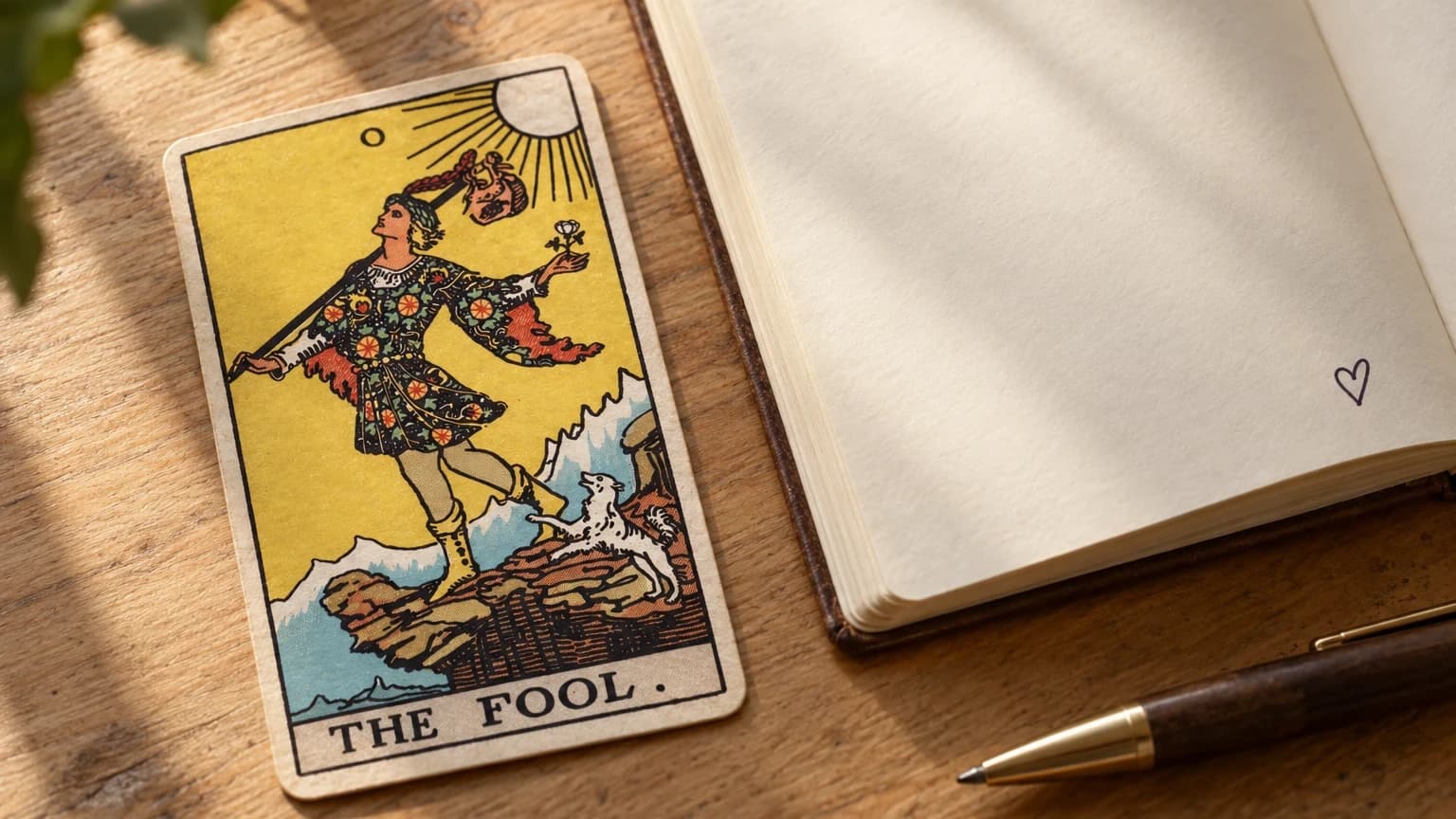
One card gives you plenty to explore. You can use a deck of your own or draw a Tarot card of the moment.
Before looking up its meaning, spend a little time with the image.
Where does your eye go first? You might notice a figure’s expression, the weather, a colour, or something happening in the background. Does the scene feel peaceful, tense, lonely, or full of possibility? Would you want to step into it?
There’s no correct first impression. Your response is simply part of the exercise.
You might write: “The person looks as though they’re waiting, and that makes me impatient.” That small observation gives you something personal to explore.
Let the meaning open a conversation
Now read the card’s explanation. If you’re new to Tarot, the card meanings can help you become familiar with its themes and symbolism.
Notice which ideas connect with your question. Is there something that describes your experience? Something you resist? Something that offers a different way to look at the situation?
You’re allowed to be selective and to disagree. A card’s interpretation can be a starting point; you decide whether it is useful. If nothing connects, you can write that down too.
Try asking yourself:
- Where do I recognise this theme in my life?
- What about it feels uncomfortable or unfamiliar?
- What is another way I could understand it?
Give yourself time to answer in your own words.
An example: drawing The Fool
Imagine you’ve been thinking about starting a creative project. You keep returning to the idea, but you haven’t taken the first step.
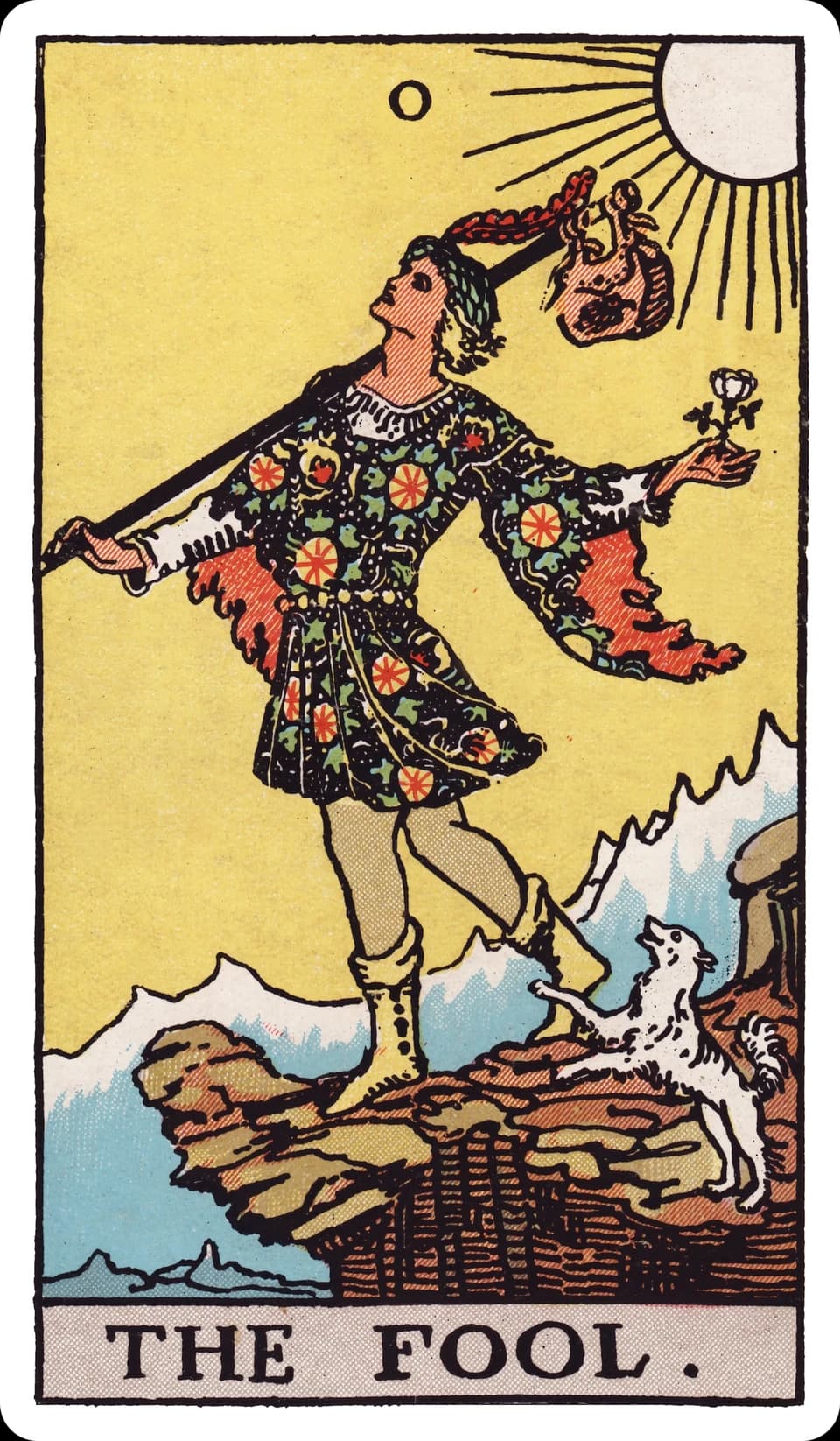
You ask, “What could help me begin?” and draw The Fool.
Reading about beginnings, openness, and stepping into the unknown might bring up excitement. It might also bring up hesitation. Perhaps you want the freedom to try something new, while feeling that you should already know how it will turn out.
You could explore that with a few questions:
- What excites me about this project?
- What do I think I need to know before I can start?
- Which preparations would help, and which have become a way of postponing?
- What would a small, manageable first step look like?
Your reflection might lead you to spend twenty minutes making a rough sketch or writing a first paragraph. The connection comes from considering the card alongside what you know about your own situation.
Write a few honest lines
You don’t need a special notebook or a lengthy journaling practice. A few sentences in your phone or on a scrap of paper can be enough.
Try this simple format:
- My question: What am I bringing to this moment?
- My card: Which card did I draw?
- I noticed: What caught my attention in the image or meaning?
- This brought up: What thoughts, feelings, or memories appeared?
- My next step: What would I like to do with this reflection?
Some days, you’ll have plenty to write. Other days, you may end with a question you want to return to. Both leave a record of where you were and what mattered to you in that moment.
Give the reflection somewhere to go
Before you finish, consider whether there’s one small thing you’d like to carry into your day.
That could be asking for help, making time for something you enjoy, or returning to a conversation with a clearer sense of what you want to say. It could also be allowing yourself more time before making a decision.
Keep it manageable. You can revisit your notes later and notice whether your perspective has changed.
Whenever you’re ready, draw a card, take a look, and begin with a simple question:
What needs my attention today?